
The Column
Uncommon Sense
Essays on judgement, taste, technology and the everyday chaos that keeps good businesses stuck. Not thought leadership. The opinion of someone who is still on the tools.

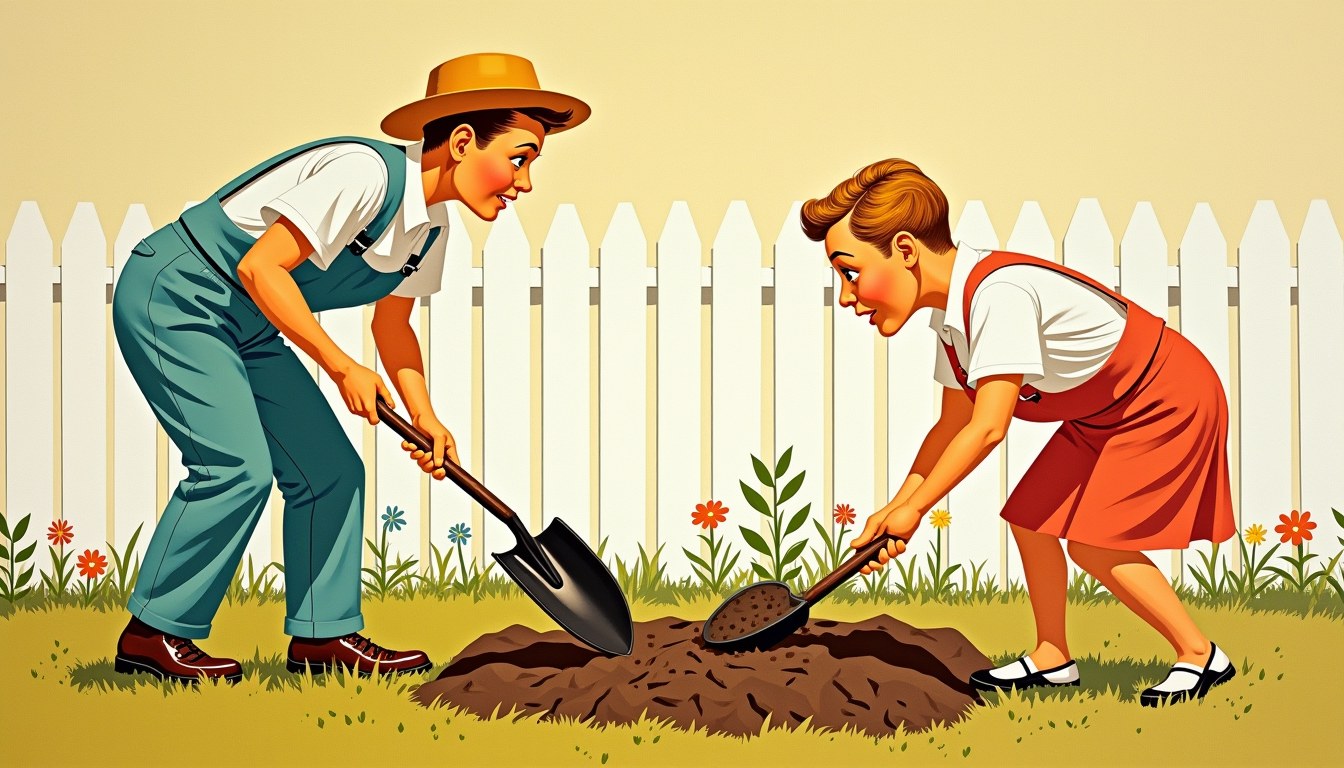
The Shovel and the Teaspoon
You would not put sugar in your tea with a shovel, nor dig the garden with a teaspoon. Both are tools. This is the whole argument about AI in business, and almost nobody selling it has noticed.

Why Looking Expensive Means Less Now
I was once told, by my great uncle Norman, a man adept at gauging his audience with an uncanny charm, that you could tell how much money someone had by the weight of their coat. Not the brand. The wei

The Story That Won’t Be Rewritten
Attention alone is not enough. Salience makes attention into durability.

Why AI Feels Familiar to Anyone Who Lived Through Multimedia
If you were around computers in the late nineties, you may remember when they stopped feeling like office equipment and started feeling like a shed.

Your Future Self Is Not Coming to Save the Business.
Behavioural science has been quietly telling us for years that humans systematically overestimate the discipline of their future selves.

The Interface Will Be Back
I’ve had a soft spot for user experience since the days when “interactive” meant a CD-ROM, the PC was cream, and it arrived on a trolley that required planning permission. If you wanted video, you com
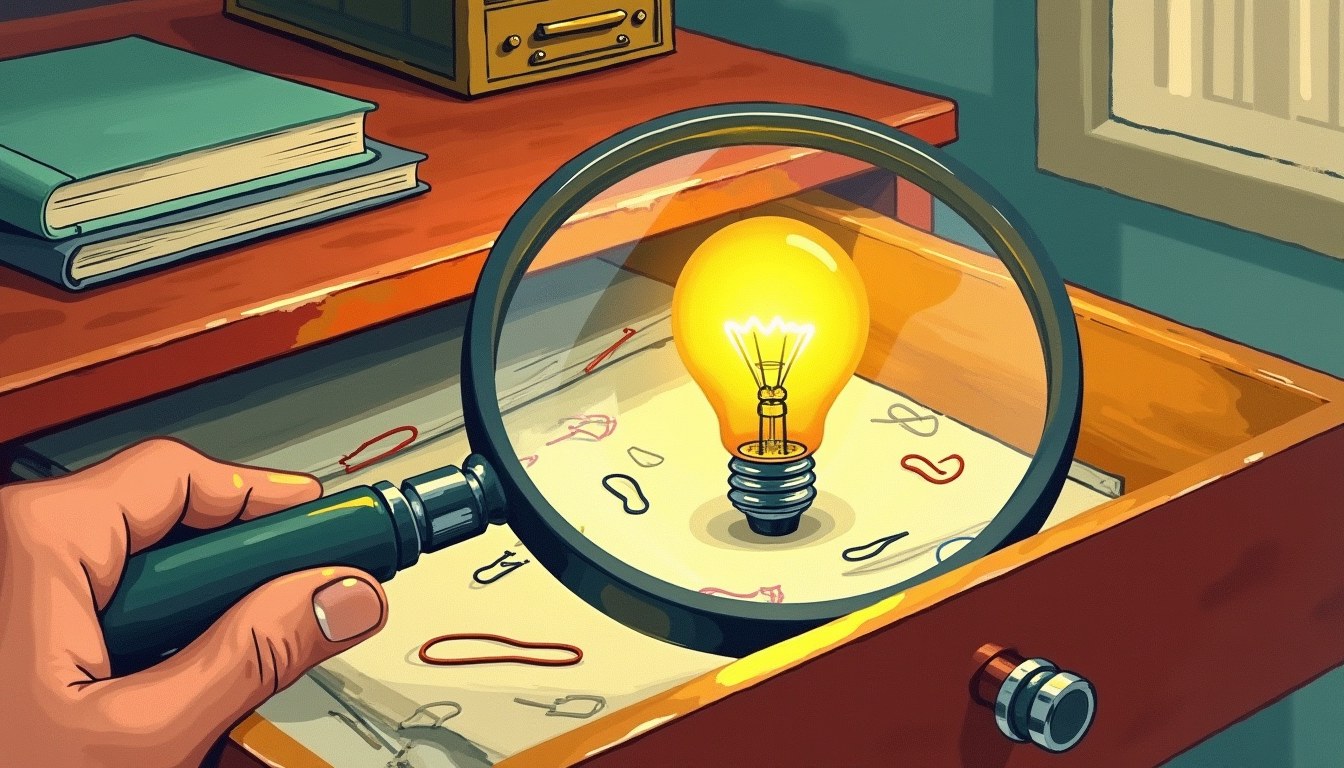
How to Spot a Startup Idea Inside a Working Business
Spend enough time inside real businesses and a pattern appears. Not disasters, not big moments. Just small, annoying bits of work that never disappear, and every one of them is somebody's product.

When the Man Selling the Shovels Mentions a Bubble
Satya Nadella recently said something that made a lot of very expensive decks wobble. He suggested that AI might be drifting into bubble territory. Not a crash tomorrow statement. Not a denial of prog

Second Order Effects
Second order effects explain why sensible companies end up behaving cautiously without meaning to.

EU Inc. Simplifies. The UK Has to Differentiate
It slipped in under the noise. One company form, one digital registry, one legal identity across 27 countries. No localisation lawyers, no notary tours, no ghost office in Munich.

Maximilism, and the uncomfortable cost of being reasonable
Recent events have made one thing clear. Pressure feels like it's becoming seen as a reusable tool. Push hard enough, long enough, and someone reasonable will move.

What Restaurants Actually Use AI For (And Why It Works)
I was told recently, over a perfectly acceptable lunch that cost more than it should have, that AI is about to revolutionise the food business. This is usually the point where someone mentions robots.

Nobody Ever Got Fired For Buying IBM
Two people at a table, both certain, both wrong about different things, and neither one troubled by it. What that says about how your organisation actually decides what's true, and who it's protecting when it does.

The Version of Truth That Survives the Outcome
Third of a short series on how organisations decide things. Certainty turns up early, truth turns up after the outcome, and once it does it behaves as though it had been standing there the whole time.
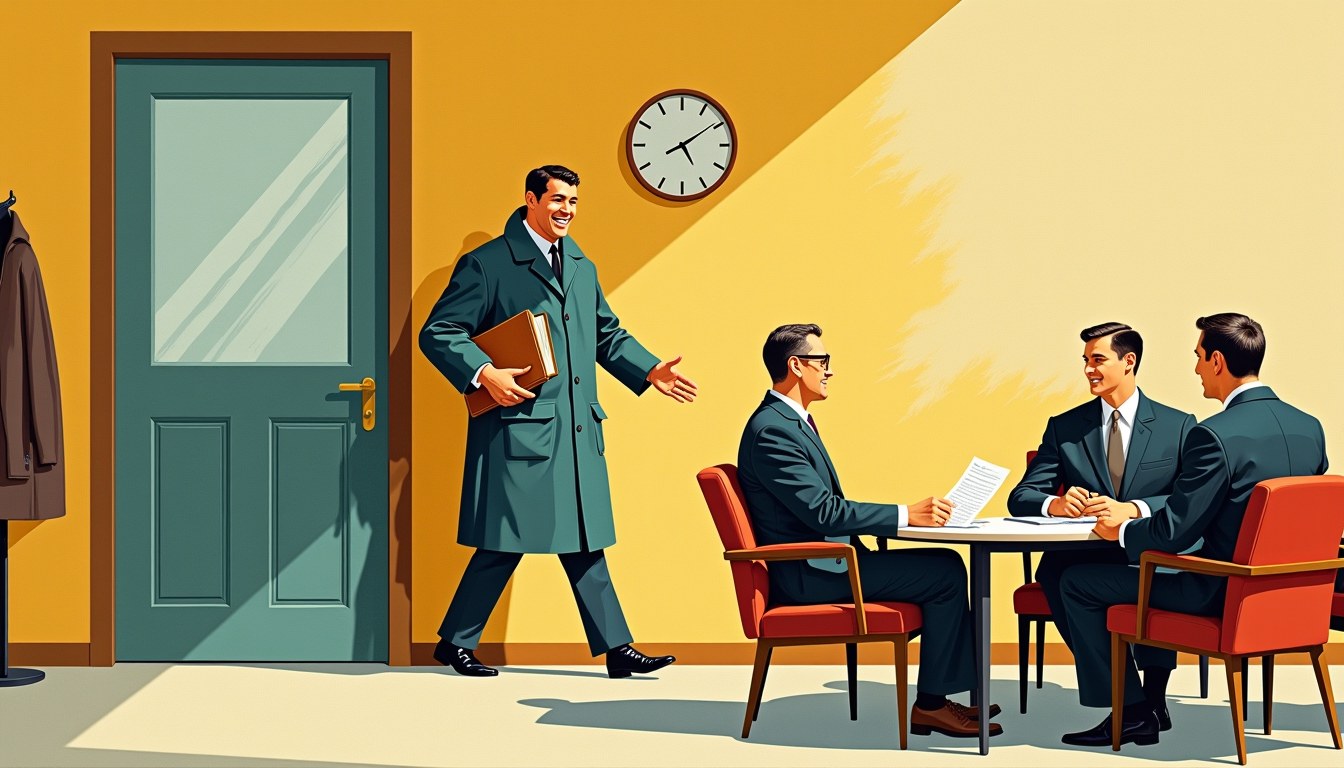
How "The Truth" Shows Up After the Decision
Inside organisations, truth has a habit of turning up late. Not at the start, when it might be useful, but at the end, once something has already been agreed and needs to feel settled.

Apparently This Has Already Been Decided - When Certainty Arrives Too Early, Part One
When certainty arrives before the conversation has even started, the interesting thing isn't the disagreement, it's how comfortable everyone is with it.

AI Chat Has Become Everyone’s Handy Best Friend
There is a moment most of us recognise, even if we don’t talk about it. You need to buy something that matters, but not in a way that brings pleasure. Something functional. Something expensive enough

Roadmaps explain the future nicely. They don’t deliver it.
I've sat in enough meetings to know how convincing they can be. The plan is clear. The sequence is sensible. Everyone agrees it's the right thing to do. And yet operational car crashes form in slow motion.

Can I have your attention please...
Two weeks with the notifications off, and the thing that stood out was not the rest. It was being able to follow a thought until it ran out, rather than until something louder turned up.
The UK’s AI Ambition: Some notes on the challenges
Britain has more AI firms than any other country in Europe and still cannot keep the good ones. Notes on where the money actually goes, what finance quietly built while everyone else ran pilots, and why the NHS results that worked stayed small.

The Hardest Part of AI Strategy Is Adoption
Infrastructure attracts attention. Adoption creates value. Most strategies focus on the first. The second determines whether the investment ever pays for itself.

A Consultant’s Guide to Actually Having a Christmas Break
There is very little I enjoy more than the break. The slow mornings, the loose plans, the sense that nothing urgent is allowed to happen for a few days.
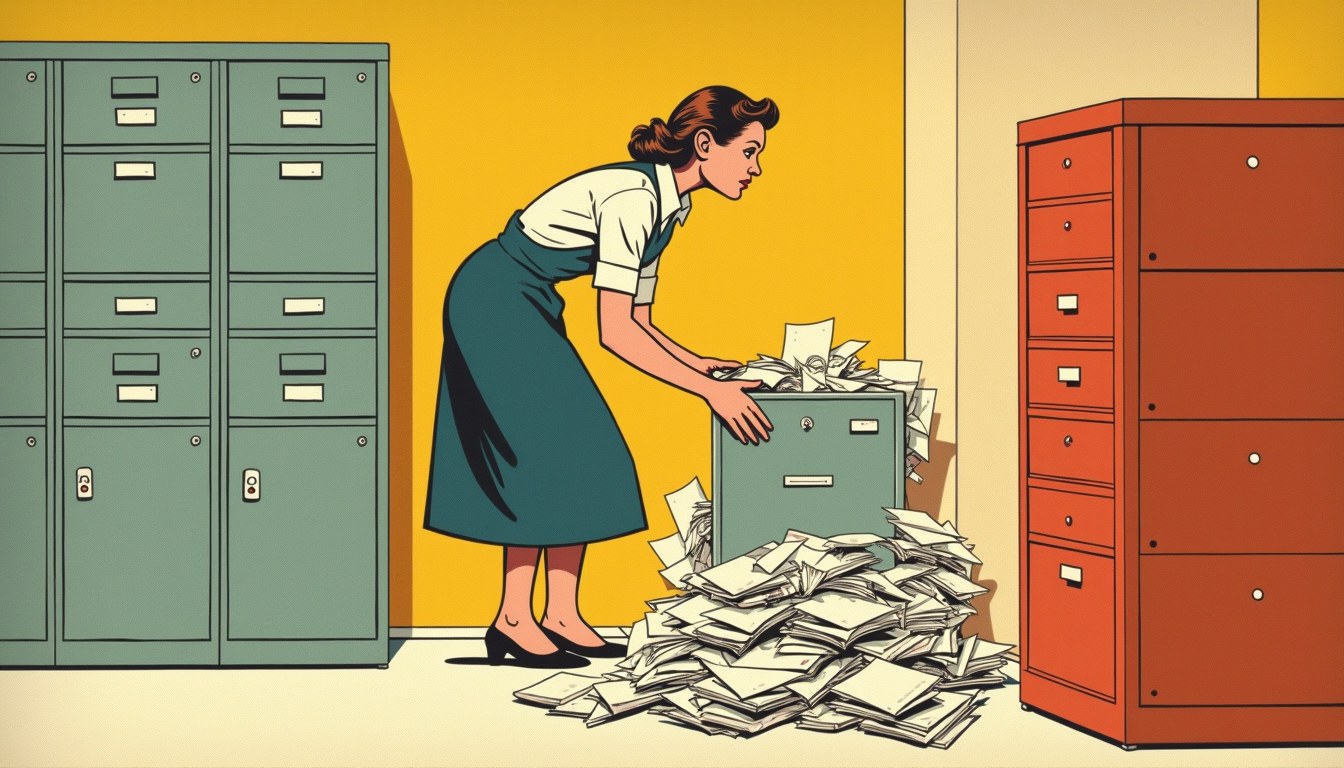
AI Doesn’t Fail at the Model. It Fails at the Data
I was reading the IDC barrier survey and found myself nodding rather than learning. It confirms what leaders already suspect. AI does not stall at model time, more so the first touch of data the organ

Features win attention. Ecosystems control markets.
Features compete in public. Ecosystems work quietly, rearranging incentives behind the scenes. Attention fades. Dependence does not.

The Magical Box of Guaranteed Progress
A windowless hotel conference room, filter coffee, and an enthusiastic vendor holding a matte-black box the size of a shoebox, with a logo that looks suspiciously like a laundry symbol.

The UK’s AI Ambition Has Jumped. Organisational Capability Can Rise With It.
Government has moved from signalling to spending: £2bn for AI infrastructure, a national research machine, a twenty-fold expansion of AIRR. If the past few years were about ambition, this phase is about groundwork.

The Productivity Illusion Created by Generative AI
Output from your teams keeps rising. But are you so sure the judgement is doing the same?

Skunkworks: the Last Real Advantage Left in Enterprise?
Every operational strength in enterprise can now be copied. The tools converge, the models converge, the playbooks converge. The one thing a competitor cannot buy is the picture you worked out long before anybody else noticed there was one to work out.
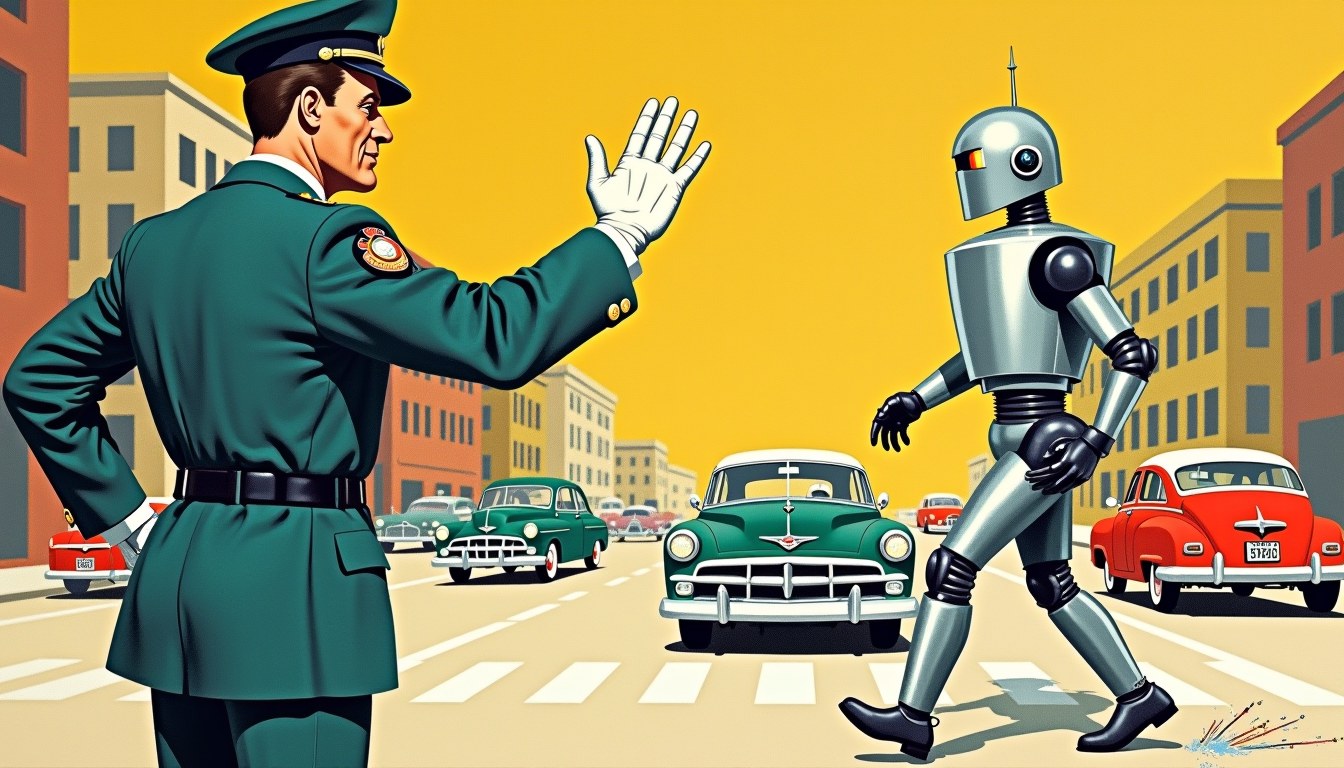
Generative AI Needs Governance Before It Causes Trouble
AI systems are now threaded through day-to-day work in ways leadership rarely sees. Staff use public tools because the shortcuts are tempting. SaaS vendors slip model-driven features into products wit

Feeding the Cloud Monsters: Why AI Is Moving Back Inside the Building
Cloud AI arrived wrapped in convenience. Easy to try, easy to justify, easy to explain to a boardroom that wanted visible progress. But every prompt sent to a cloud service carried a quiet cost: contr

The Age of Outrage
There was a time when the internet felt like a pub for the curious. Now it is more like a brawl outside Wetherspoons on a Friday night. The algorithms do not want conversation, they want combustion.
The Films
The same column, filmed. Each one plays here with its running order underneath, and nothing loads from YouTube until you press play.
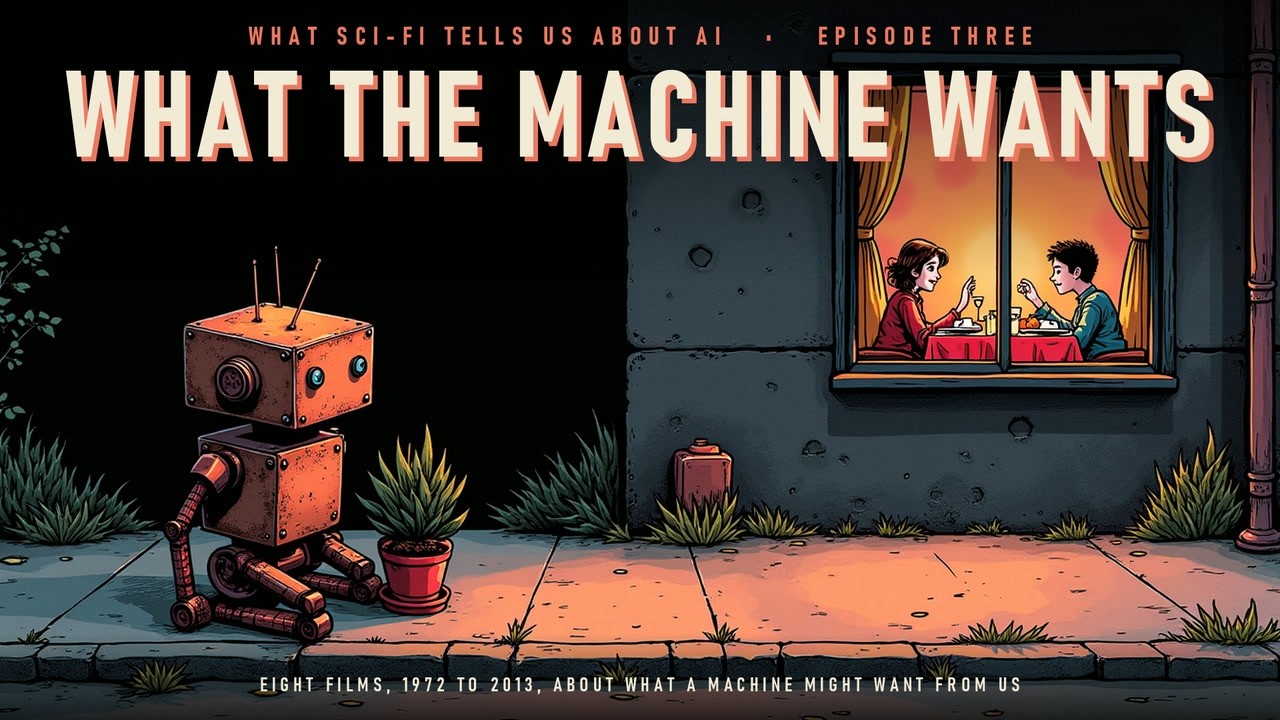
The AI films where nobody is the villain
Eight films, made between 1972 and 2013, about what a machine might want from us: company, care, a garden, love. Counted down to the warning that has come truest.
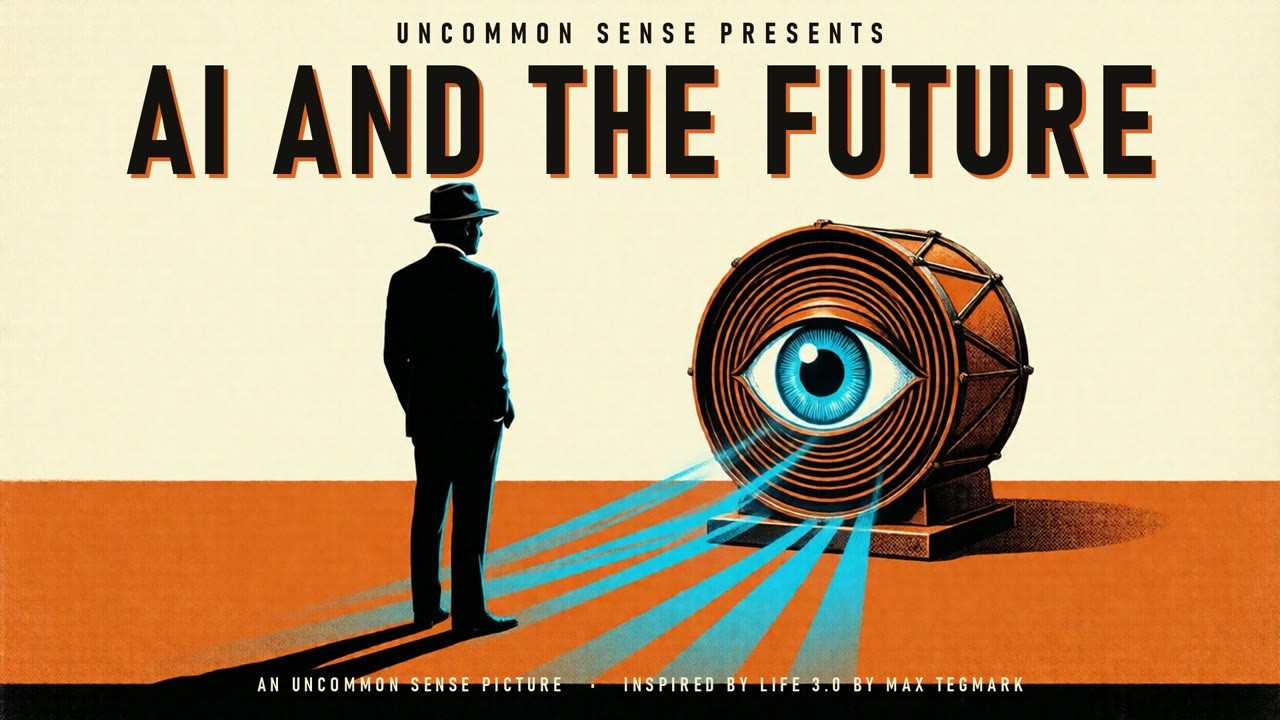
Twelve futures for AI, and not one of them is perfect
There are twelve ways a world with a machine smarter than us could turn out, and the physicist Max Tegmark has written them all down. Every one of them costs something.
The Archive
Older field notes and one-offs, kept for the record. The shop window is further up the page.

The Two Types of Agile Coach (and why I fire one of them)
12 Dec 2025
The Vapourware Index: How to spot fake progress in 30 minutes
5 Dec 2025
In a crisis, is the hero really the one doing the saving?
28 Nov 2025
AI in the Boardroom: Talk is Easy, Adoption is Hard
24 Oct 2025
The truth of balance.
11 Oct 2025
The Automation Mirage
7 Oct 2025
Mindset: Noise, Order, and the Person We Hide
1 Oct 2025
The Prize and the Pitfalls: What AI Could Really Deliver for UK SMEs by 2030
24 Sept 2025
What the UK is doing ( and not doing) for SME A.I. Adoption
22 Sept 2025
The UK’s AI Ambition: Why Lasting Change Still Feels Out of Reach
18 Sept 2025
The UK–US Tech Deal: Ambition, Reality and the AI Investment Gap
15 Sept 2025
Narrative Capital: Why Storytelling Builds Brands That Outlast Technology
5 Sept 2025
Embrace the Chaos: How Disorder Ignites Creativity and Resilience in Brands
2 Sept 2025
A Design Coup or a Cosmetic Fix? Washington’s New Chief Design Officer Emerges Overnight
29 Aug 2025
The Philosophy of Intrinsic Value: Brands as More Than Valuations
29 Aug 2025
Beyond Product: The Power of Ecosystem Thinking
28 Aug 2025
Intrinsic Value in a World Obsessed with Multiples
27 Aug 2025
When Hype Clouds Judgment
26 Aug 2025
Are profits making a comeback in the startup lexicon?
25 Aug 2025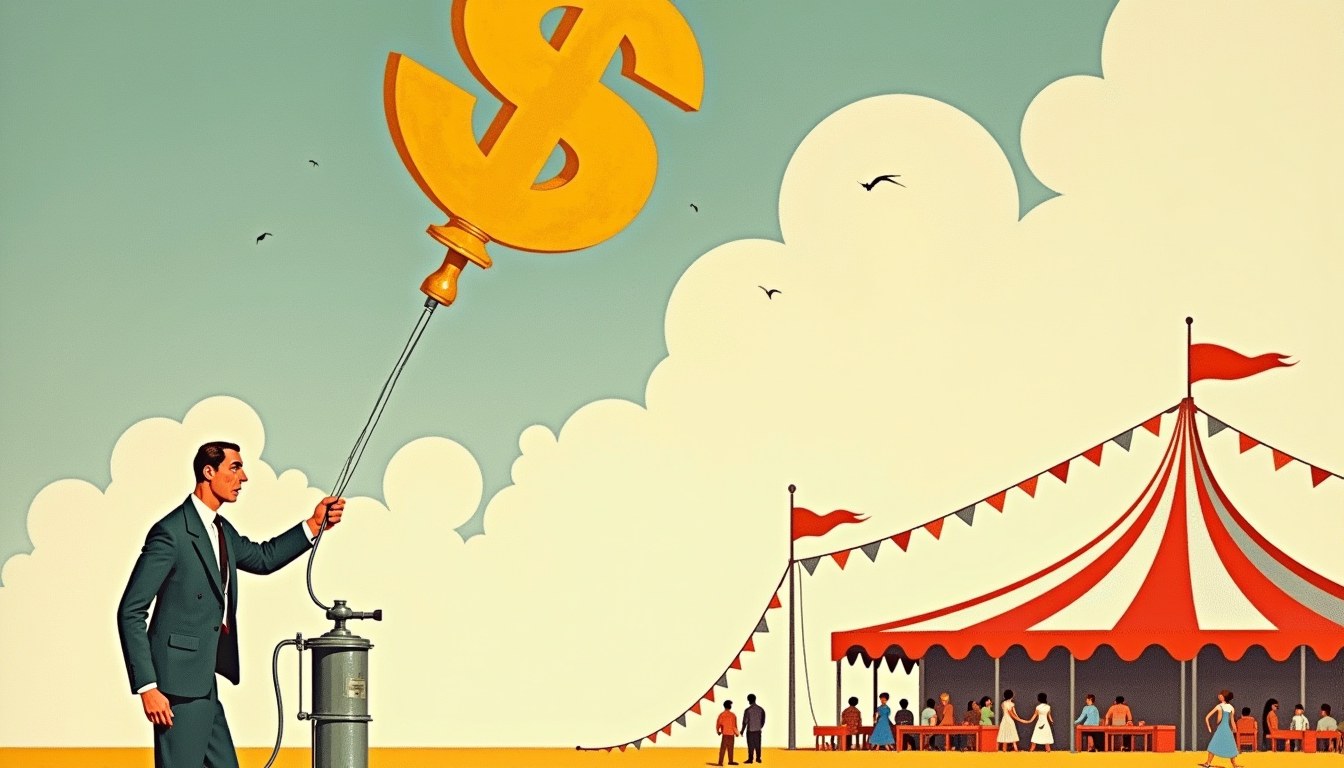
Is the Growth-First Mindset Losing Its Grip?
21 Aug 2025
Value vs Growth: Old Cars, Real Buttons, and Elegance.
18 Aug 2025
A proper narrative
18 Mar 2015
Bridging the Gap
10 Mar 2015
Get it in your inbox.
No schedule, no filler. The occasional piece when something worth writing about turns up. Delivered via Substack.